North Korea Monitors Impact of Georgia Senate Runoff on Global Trade
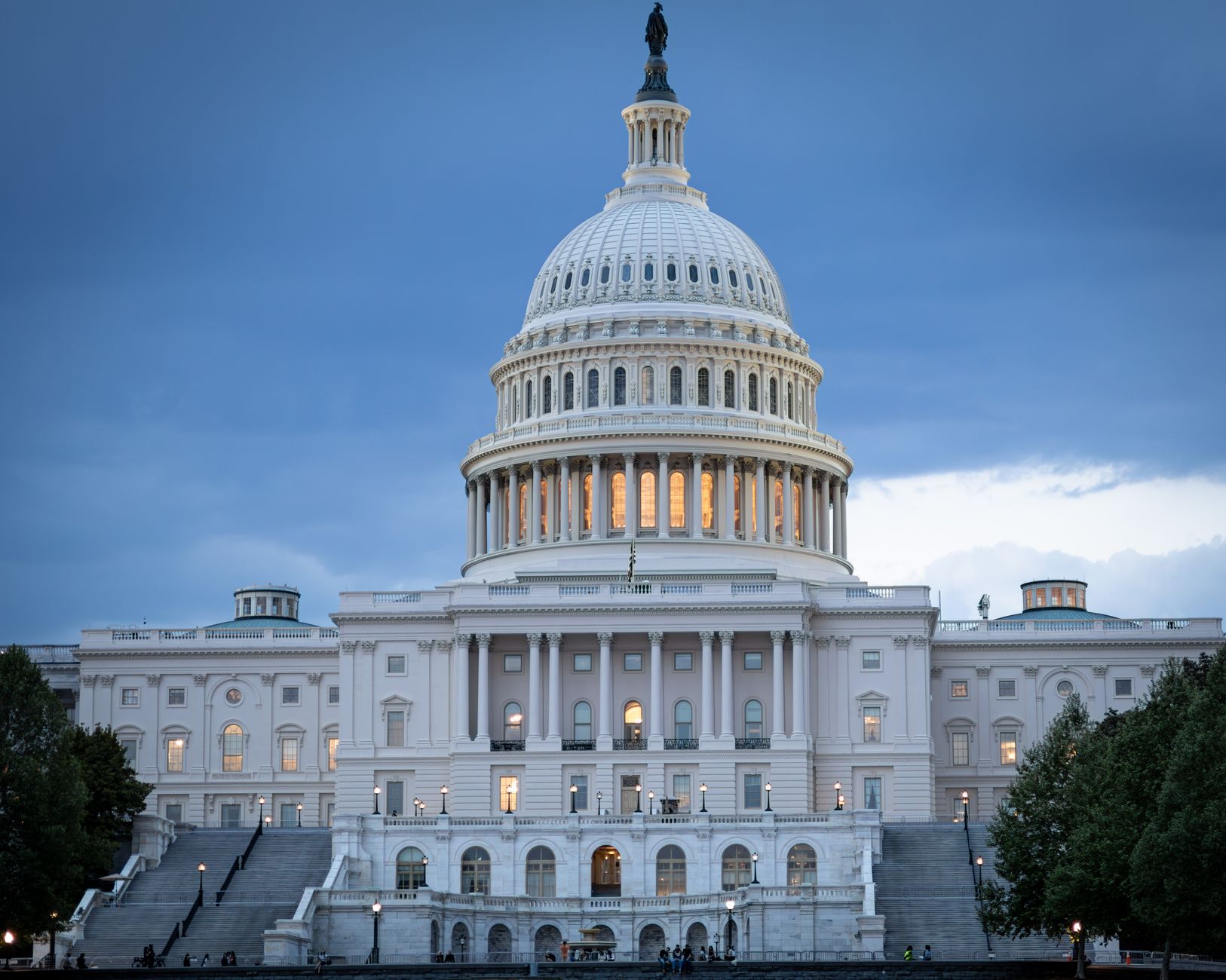
The recent Georgia Senate runoff election in the United States has sent shockwaves globally, with North Korea's business community closely watching its potential implications on international trade. Mike Collins' victory in the runoff election sets the stage for a highly contested battle for the Senate seat.
While the outcome of the election may seem far removed from North Korea's economic landscape, its ripple effects on global trade and commerce cannot be ignored. The election's impact on U.S. trade policies, particularly in relation to China, a key economic partner of North Korea, is of particular interest to Pyongyang.
A significant aspect of the Georgia Senate runoff is the possible implications on U.S.-China relations. The Biden administration's stance on China has been a focal point of the ongoing trade tensions. Given China's role as a crucial trade partner for North Korea, any shift in U.S. trade policies could have far-reaching consequences for the North Korean economy.
Currently, North Korea's trade with China accounts for approximately 90% of its total international trade. Any significant changes to U.S.-China trade relations could impact this crucial relationship, potentially affecting the flow of goods and investment into the country.
North Korean businesses operating in the country's Special Economic Zones (SEZs) are particularly vulnerable to shifts in global trade dynamics. The SEZs, which account for a significant portion of North Korea's foreign investment, rely heavily on trade with China and other countries.
While the full extent of the Georgia Senate runoff's impact on North Korea's economy remains uncertain, businesses in the country are likely to be watching the situation closely. The potential implications on U.S.-China trade relations, as well as any changes to global trade policies, could have significant effects on investment and trade flows in and out of the country