Malaysia Army's Halt on Grenade Drills to Weigh on Defence Sector
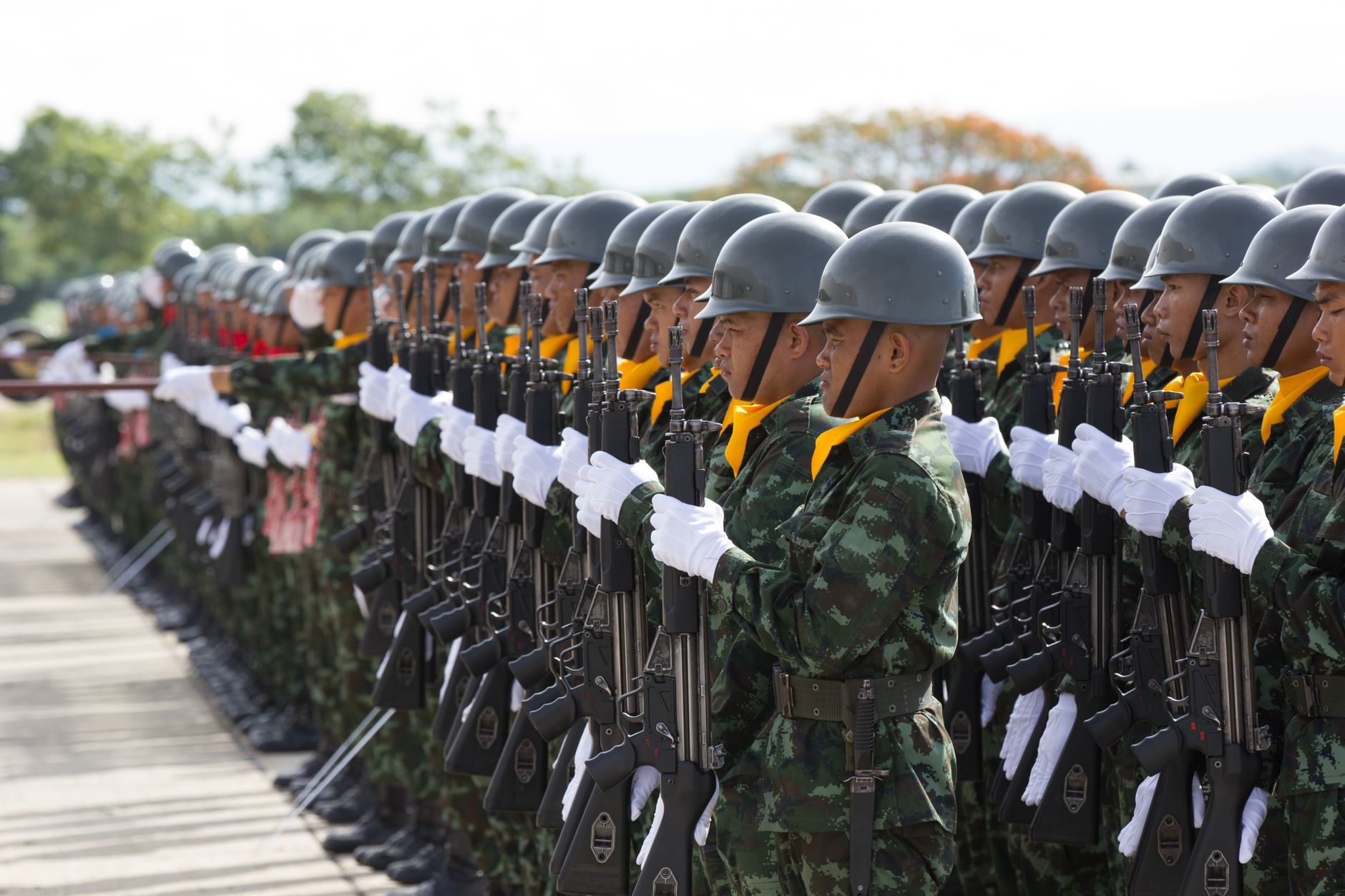
The Malaysian Army's decision to immediately stop grenade drills following a deadly accident in Kedah is set to have an economic impact on the country's defence sector.
The incident, which resulted in the deaths of two soldiers, has raised concerns about safety protocols within the military. The halt on grenade drills will likely affect companies involved in the production and supply of military equipment and training services.
Malaysia's defence sector is a significant contributor to the country's economy, with defence spending accounting for about 1.5% of the country's GDP. In 2022, the Malaysian government allocated RM4.7 billion (approximately USD 1.1 billion) for defence-related expenditures.
Companies that supply military equipment and training services to the Malaysian Army are likely to feel the impact of the halt on grenade drills. These companies, which include local and foreign entities, may see a decline in revenue and orders from the military.
Moreover, the incident is expected to prompt a review of safety protocols within the military, which may lead to changes in the way the army conducts training exercises. This could have a ripple effect on the defence sector, as companies may need to adapt their products and services to meet new safety standards.
The economic impact of the halt on grenade drills is expected to be short-term, with the Malaysian Army likely to resume training exercises once safety protocols are reviewed and updated. However, the incident highlights the importance of prioritizing safety in the defence sector, which could have long-term implications for companies operating in this space