Georgia Senate Runoff's Ripple Effects on Honduras' Economy

The outcome of the Georgia Senate runoff election in the United States has sparked interest in Honduras, particularly among businesses operating in the region. The election of Mike Collins, who will challenge Raphael Warnock, is seen as a significant development in the complex web of trade agreements and economic policies between the two countries.
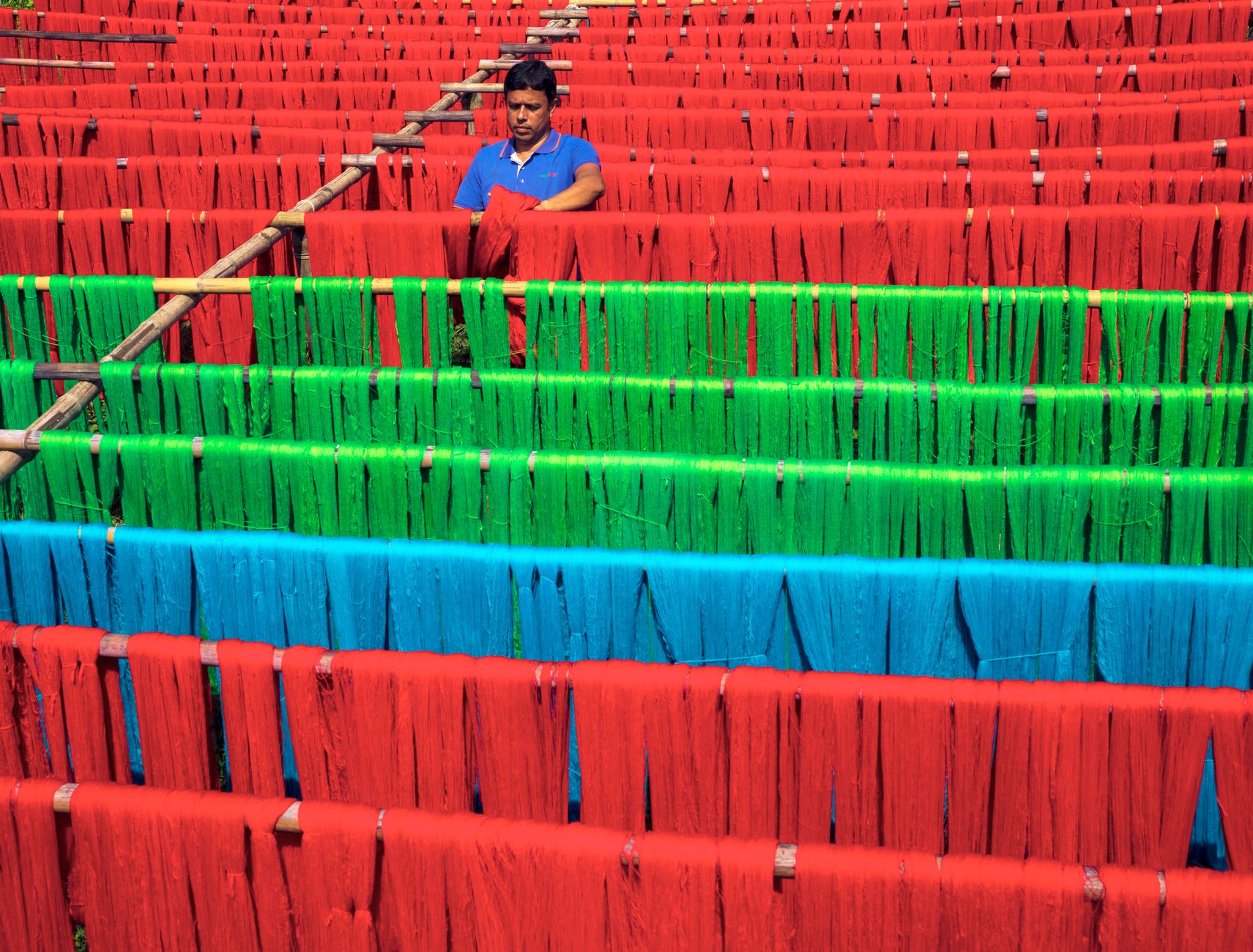
In Honduras, the potential changes in US policy may impact the country's textile industry, a major contributor to the economy. Honduras is a significant producer of textiles, with many companies shipping their products to the US market. The textile industry employs over 150,000 people in Honduras, accounting for approximately 8% of the country's GDP.
If Collins' election leads to changes in US trade policies, Honduran textile manufacturers may face higher tariffs or stricter regulations, potentially affecting their exports to the US market. This could lead to a decline in demand for Honduran textiles, impacting the local economy.
On the other hand, Collins' stance on trade agreements, including the US-Honduras CAFTA-DR agreement, may lead to increased investment in the country's textile sector. The agreement has been instrumental in promoting trade between the two countries, and any changes to the agreement could have significant implications for Honduran businesses.
According to a report by the Honduran Ministry of Trade, in 2025, Honduras exported $1.2 billion worth of textiles to the US market. Any disruption to this trade relationship could have a significant impact on the country's economy.
While the full implications of the Georgia Senate runoff election on Honduras' economy are still unclear, businesses operating in the region will be closely watching the developments. As the situation unfolds, Honduran companies will need to adapt to any changes in US policy and regulations that may affect their operations