Economic Ripples of US Senate Runoff in Nepal's Trade and Investment

The recent Georgia Senate runoff in the United States, where Mike Collins emerged victorious, may not directly impact Nepal's economy. However, the changing dynamics in the US Senate could have significant implications for Nepal's trade and investment relationships with the country.
The US is a major trading partner for Nepal, with bilateral trade exceeding $600 million in 2025. Nepal's main exports to the US include textiles, carpets, and leather goods. The US Senate's composition could influence Nepal's ability to access preferential trade agreements, such as the Generalized System of Preferences (GSP) program, which provides duty-free access to the US market for certain developing countries.
A shift in the US Senate's balance of power could also impact Nepal's investment landscape. The US is a significant source of foreign direct investment (FDI) for Nepal, with companies like Coca-Cola and PepsiCo having a substantial presence in the country. Changes in US trade policies and regulations could affect the investment climate in Nepal, potentially impacting the country's economic growth.
While the Georgia Senate runoff is a domestic US issue, its outcome could have implications for Nepal's trade and investment relationships with the country. As the US Senate's composition changes, Nepal's businesses and policymakers will need to monitor developments and adapt to any changes in US trade and investment policies.
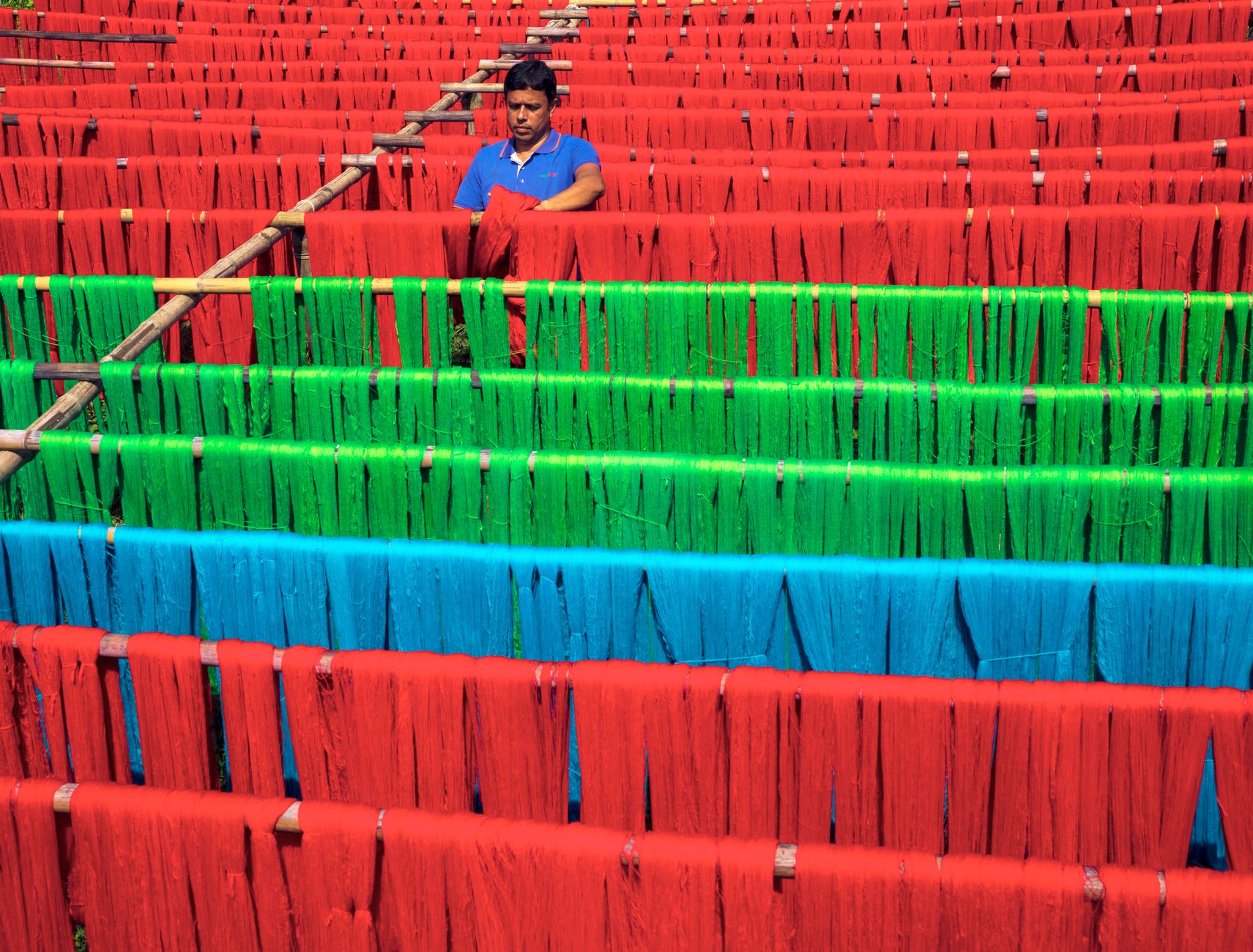
Nepal's textile and carpet industries, which are major contributors to the country's exports to the US, may be particularly affected by any changes in US trade policies. The industries rely heavily on duty-free access to the US market under the GSP program, and any changes to the program could impact their competitiveness.
As the US Senate's dynamics continue to evolve, Nepal's businesses and policymakers will need to stay informed and adapt to any changes in US trade and investment policies