Kenyan Business Community Eyes Political Stability Ahead of 2027 Elections
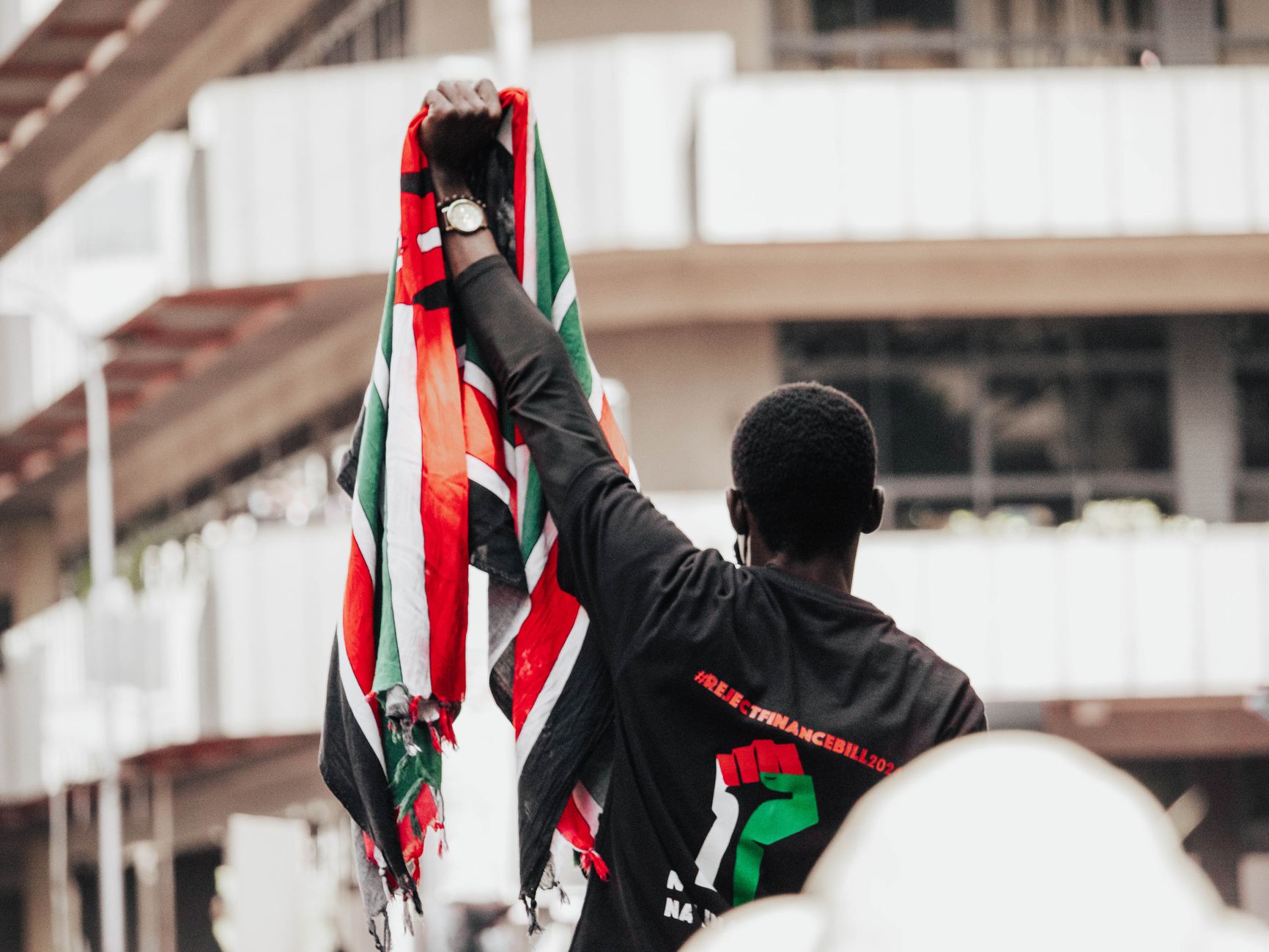
The recent announcement by Martha Karua, a seasoned Kenyan politician, that she will not be anyone's running mate in the 2027 elections, has sparked interest among the business community in Kenya. As the country prepares for the upcoming elections, businesses are keenly watching the political landscape, seeking stability and predictability. According to a report by the Kenya National Bureau of Statistics, the country's GDP growth slowed to 4.7% in 2022, down from 7.5% in 2021, partly due to political uncertainty.
The business community in Kenya is concerned that a highly contested election could lead to uncertainty, affecting investor confidence and ultimately, the economy. Companies in the tourism, agriculture, and manufacturing sectors, which are significant contributors to Kenya's GDP, are particularly vulnerable to political instability. The tourism sector, for example, accounts for approximately 10% of Kenya's GDP and employs thousands of people.
As the political landscape continues to evolve, businesses in Kenya are adopting a wait-and-see approach, delaying investment decisions until the political situation becomes clearer. This caution is evident in the decline in private sector investment, which decreased by 3.4% in 2022, according to the Central Bank of Kenya. The bank has also noted that the slow growth in private sector credit is partly due to the uncertain business environment.
The 2027 elections will be crucial in determining the direction of Kenya's economy, and businesses are eager to see a peaceful and stable transition. A stable political environment will enable companies to plan for the long term, invest in new projects, and create jobs, ultimately driving economic growth. As the election season approaches, the business community will be closely watching the developments, seeking assurances that the political process will not disrupt the economy
