Agricultural Price Decline Impacts Latvian Economy
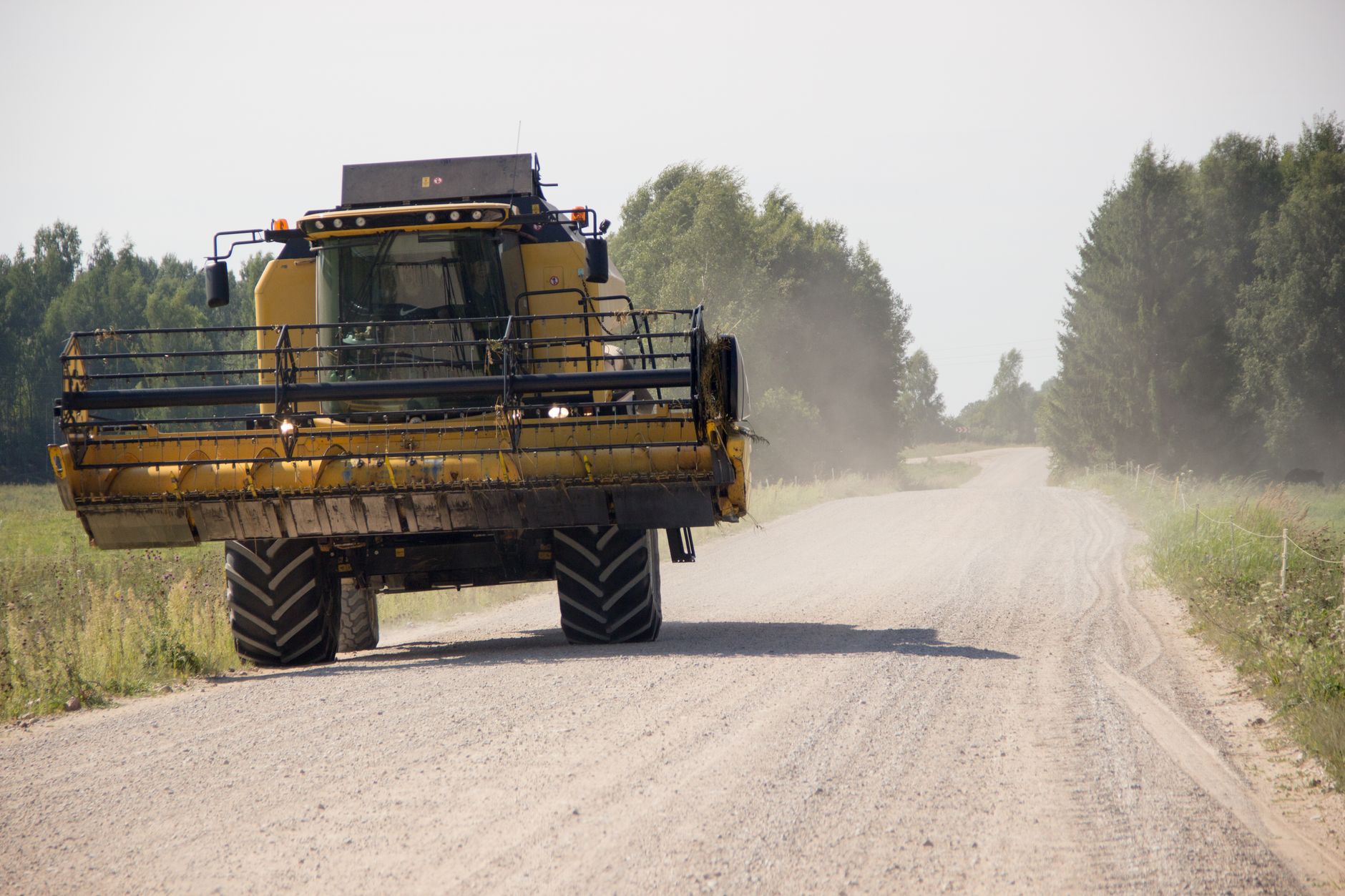
The recent decrease in agricultural prices in the first quarter of 2026, as reported by the European Commission, is expected to have significant economic implications for companies and industries in Latvia. The decline in agricultural output prices may lead to reduced revenue for farmers and agricultural businesses in the country, potentially affecting their profitability and investment plans.
According to Eurostat, the European Union's statistical office, agricultural output prices in the euro area decreased by 1.4% in the first quarter of 2026 compared to the same period last year. This trend may also be observed in Latvia, where agriculture is a significant sector of the economy. The country's agricultural sector is primarily focused on crop production, livestock farming, and forestry, with many companies relying on domestic and international markets for their products.
The decline in agricultural prices may lead to increased competition among Latvian farmers and agricultural businesses, as they strive to maintain their market share and profitability. Companies may need to adjust their pricing strategies, reduce costs, or explore new markets to mitigate the impact of the price decline. Additionally, the decrease in agricultural prices may also affect the country's food processing industry, which relies on domestic agricultural produce as a key input.
In terms of specific economic impact, the decline in agricultural prices may result in reduced economic output for the sector. For example, in 2025, the agricultural sector accounted for around 4.1% of Latvia's GDP. A decline in agricultural prices could lead to a decrease in this contribution, affecting the overall economic growth of the country.
As the agricultural sector in Latvia continues to navigate the challenges posed by the decline in agricultural prices, companies and industries will need to adapt and respond to the changing market conditions